Top Hyperscaler gets a reality check
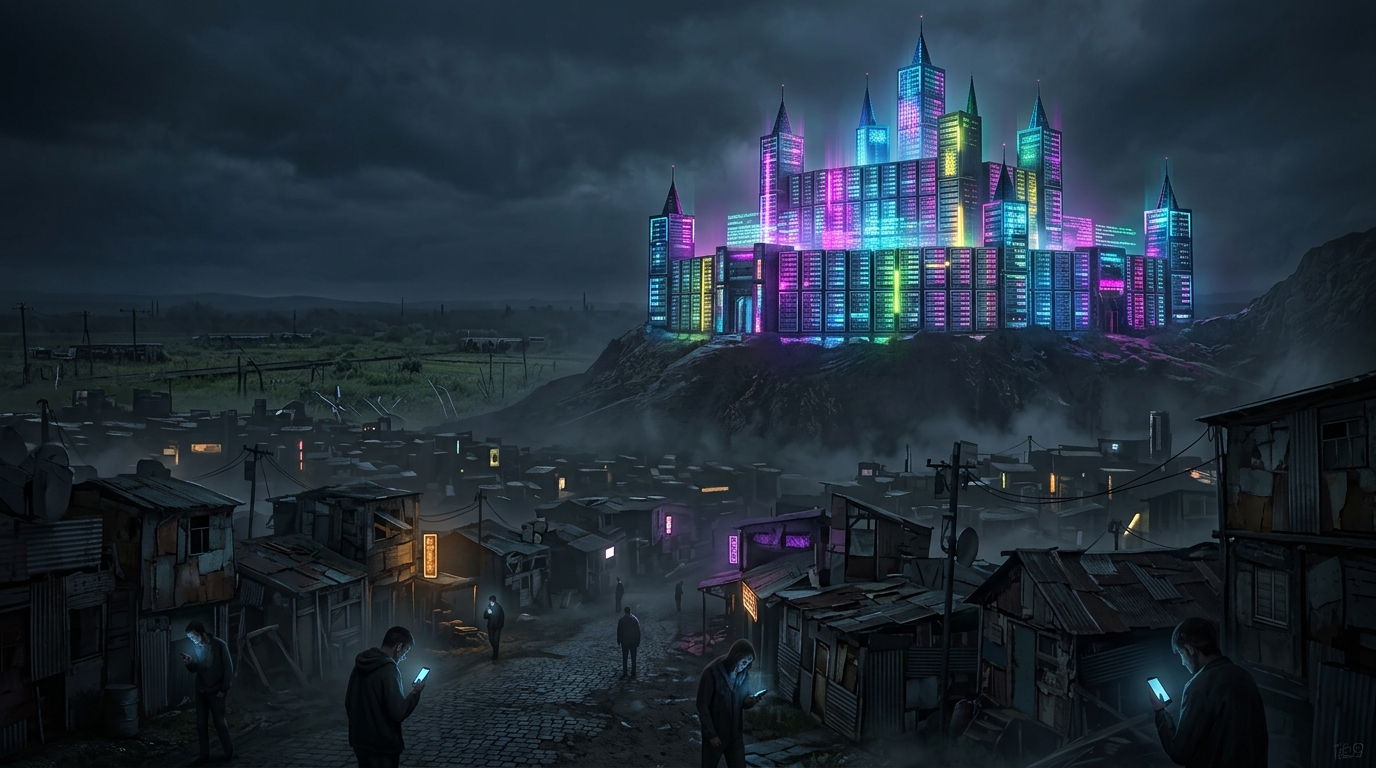
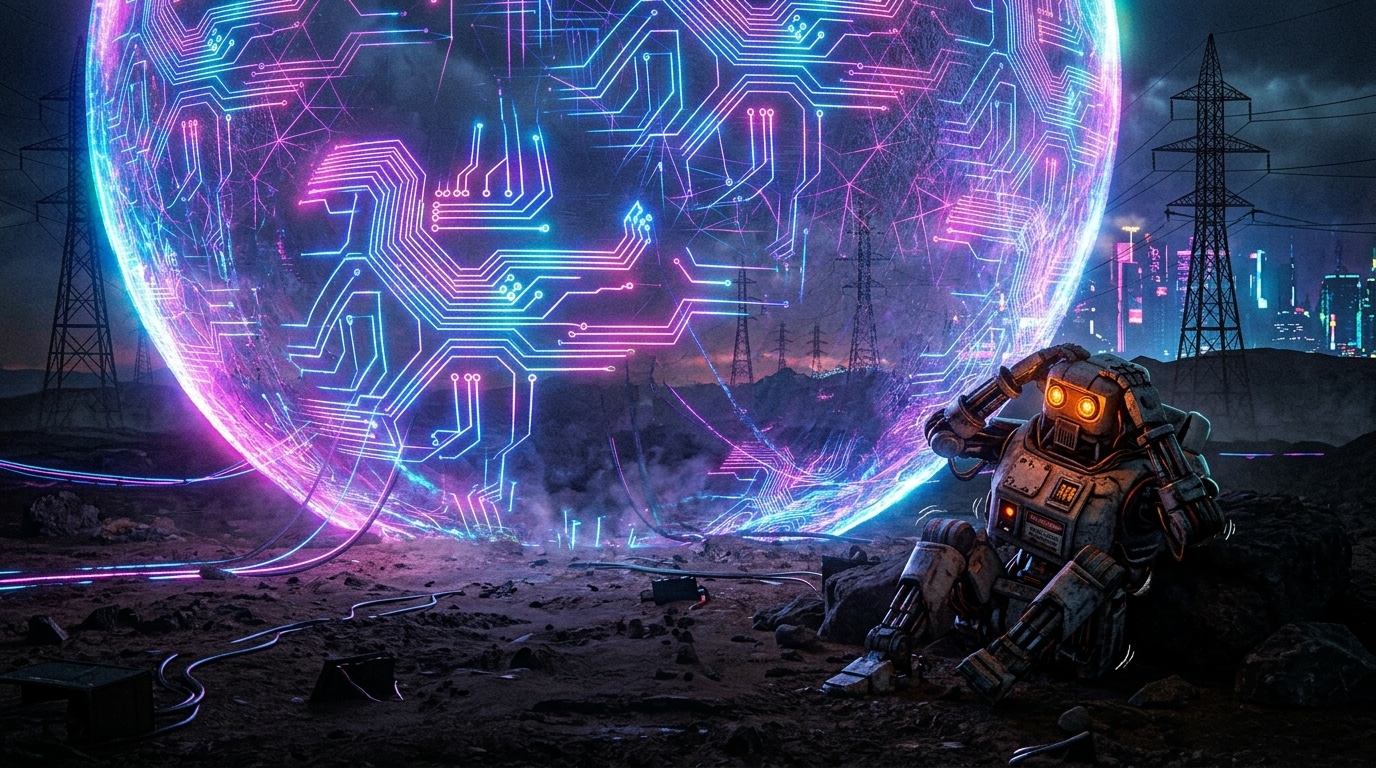
Last week news began to circulate about Oracle, one of the primary companies developing infrastructure for future OpenAI initiatives. They issued a “force majeure” notice to the construction company working on a large data center project in New Mexico over concerns about being able to source enough power to supply the anticipated demands of the computer hardware they will need for the facility.
Larry Ellison, the CTO and co-founder of Oracle (and a member of Trump’s inner circle), is trying to use a legal maneuver to delay the previously agreed upon payments necessary to complete the construction of their facility. With this news, their rating has dropped to a BBB- rating (a haircut away from junk status). Joining both CoreWeave and Meta who have already fallen into this junk territory. Add to that the circular financing from companies like Micron and Nvidia I’ve spoken about previously. How long until the curtain is pulled back, and these wizards are revealed as the con-men they have been all along?
Are these the portents of a larger collapse?
As we head into the 2026 Midterms, we are already seeing both Democratic and Republican candidates acknowledging that these planned data center projects, meant to power the future needs of AI (or “super intelligence” as Trump now insists we call it), are a key concern for the communities where these projects are going to be located.
These planned facilities will have an enormous appetite for both water and power, and most of these projects are planned in areas that are already dealing with shortages of both. Also, any promises of new jobs are short-lived because, once construction is complete, these facilities will require minimal onsite staff to perform the basic maintenance and upkeep to keep these systems running.
On top of the concerns about how much utility bills will skyrocket for these communities, there are additional concerns about the pollution spewed out by these data centers. This runs the gamut from air pollutants, heat exhaust as well as the noise from all the fossil fuel-based generators necessary to supply backup power for when the local power grid inevitably fails. These pollutants will affect not only the local citizens but the local flora and fauna as well.
What do you think comes next?
So far, we are seeing all the signs of something like the Dot-com Bubble (or other similar asset bubbles), where huge valuations were used to justify the cost of spanning the nation with fiber optic cable. Eventually, the “dark fiber” left from the Dot-com Boom was lit up to bring the Internet from the age of dial-up to our present where most homes and almost all businesses have access to high-speed internet. It just took a decade or so for those junk investments to finally pay off.
Perhaps, given enough time, properly aligned and regulated AI running in data centers with minimal carbon footprints (like those planned by Google and Microsoft) will bring about the Utopia they have been promising us. Perhaps we’ll finally even get flying cars!